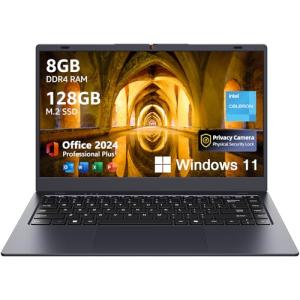
When you think about the Notebook vs Laptop Differences, portability is a big one. Notebooks are light and easy to carry, making them perfect for students or anyone who likes to work on the go. You can toss one in your bag, and you won’t even notice it’s there. Whether you’re heading to a coffee shop or just moving from room to room at home, notebooks make life easier.
Simplicity is another key factor. Notebooks are designed for straightforward tasks like note-taking, journaling, or doodling. You don’t need to deal with complicated software or updates. Just grab a pen, open it up, and start writing. This simplicity can be a breath of fresh air, especially when you want to focus without distractions.
Plus, there’s something satisfying about the feel of paper and the sound of a pen gliding over it. It’s a tactile experience that digital devices just can’t replicate. For those who appreciate the classic feel of writing things down, notebooks are a go-to choice. They’re reliable, and you can easily flip back through pages, making it easy to find your thoughts or sketches later.
In a world filled with screens, notebooks offer a break. They’re perfect for brainstorming ideas, drafting plans, or even just doodling during a boring meeting. So, if you're weighing the Notebook vs Laptop Differences, consider how much you value portability and simple, no-nonsense functionality. Sometimes, less really is more!
Laptops Provide Power and Performance
When diving into the Notebook vs Laptop Differences, it’s clear that laptops pack a punch in terms of power and performance. They’re built to handle a larger range of tasks, making them great for both work and play. If you need to run demanding software or play the latest games, a laptop often has the specs to handle it.
Laptops usually come with more powerful processors and bigger storage options compared to notebooks. This means faster load times for your favorite apps and a smoother overall experience. Whether you’re switching between multiple tabs or using heavy graphics software, a laptop is your best bet for reliable performance.
Battery life is another area where laptops shine, but it really depends on the model. Some are designed for all-day use, while others prioritize performance over longevity. Keep this in mind if you need something that goes the distance without needing to recharge constantly.
Don’t forget about upgrade options too! Laptops often make it easier to upgrade RAM or swap out storage drives. For users who love to customize or boost their machine’s capabilities, this is a huge plus. So when comparing the Notebook vs Laptop Differences, think about what you really need from your device and how you'll use it.
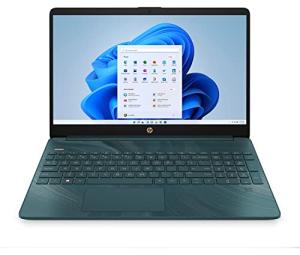
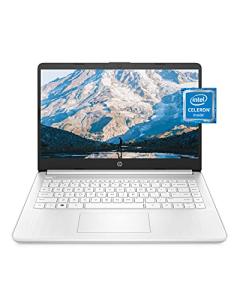
HP 15.6" HD Notebook with Intel Celeron
A sleek and reliable notebook that combines performance and portability for everyday tasks
Product information
$229.99
Product Review Score
4.85 out of 5 stars
137 reviewsProduct links
Battery Life Varies Between Devices
When you start comparing notebook vs laptop differences, battery life is one big topic. Notebooks are typically designed for portability and light tasks, which means they often have better battery life than your average laptop. If you’re just using it for browsing, notes, or reading, a notebook can last all day on a single charge.
Laptops, on the other hand, usually pack more power under the hood. They can handle heavier tasks like gaming or video editing, but that extra power can drain the battery faster. If you’re gaming or using demanding software, you might find yourself searching for an outlet sooner than you’d like. If battery life matters to you, it’s definitely something to consider when looking at your options.
Also, keep in mind that battery life can vary not just between notebooks and laptops but even within those categories. Some high-end laptops have advanced power-saving features, while some budget notebooks might not maximize battery efficiency. Doing a little research on user reviews for battery performance can save you the headache later.
So, when you weigh the notebook vs laptop differences, don’t forget to think about how you’ll use your device. If you need something to take to class or work without worrying about charging, a notebook might be your best bet. But if you’re looking for power and performance and don’t mind bringing a charger along, a laptop could be the way to go.
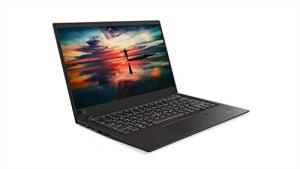
Lenovo ThinkPad X1 Carbon - Intel i7 Laptop
Experience lightweight performance and durability that keeps up with your busy lifestyle
Product information
$989.93
Product Review Score
4.23 out of 5 stars
202 reviewsProduct links
Choosing Based on Your Personal Needs
When it comes to the Notebook vs Laptop differences, your personal needs play a big role in what you should choose. Think about how you plan to use your device. Are you a student who just needs a reliable notebook for note-taking and sketching? Or do you need a laptop that can handle video editing and gaming? Knowing what you want helps a lot.
If portability is key, a notebook might be your best bet. They’re lightweight and super easy to toss in a backpack. Great for taking to class or a cozy coffee shop. On the other hand, laptops tend to pack more power. If you need to run heavy software or multitask on a daily basis, investing in a laptop makes sense.
Battery life is another big factor to think about. Many notebooks can last all day on a single charge since they focus on basics. Laptops, especially those with powerful processors, may require more frequent charging, but they can offer a stronger performance for demanding tasks. It all comes down to what you want to achieve with your device.
Finally, consider screen size and keyboard comfort. Notebooks usually have smaller screens and keyboards, which is fine for taking notes or browsing the web. But if you’re going to do a lot of typing or need a bigger display for work or design, a laptop might be the way to go. Keep these Notebook vs Laptop differences in mind, and you’ll make the right choice for your situation.